 FundedPulse
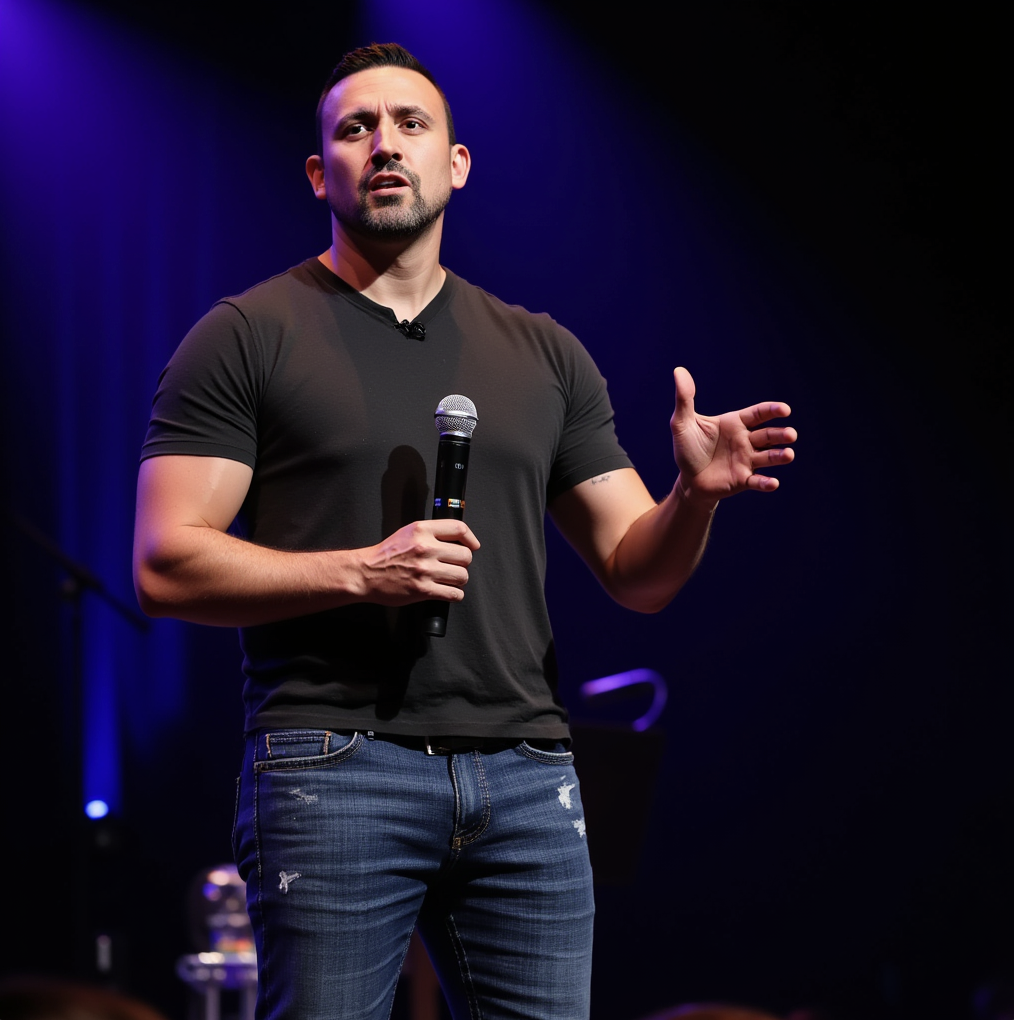
The Restaurant Independence Movement
Here's the dirty secret of food delivery: every time a customer orders through a major third-party app, the restaurant loses. Commission fees of 15-30% eat into already razor-thin margins. The customer becomes the platform's customer, not the restaurant's. The brand gets buried under a generic interface. And the data — what people order, when they order, how often they come back — goes to the platform, not the business that actually made the food.
Ryan Arriaga, founder and CEO of Pickup Pointe, saw this firsthand growing up in California's Central Valley, a region where locally owned restaurants are the lifeblood of the community. His vision was simple but radical: build a platform that gives restaurants everything they need to compete digitally — online ordering, local pickup, delivery — without surrendering their autonomy, their margins, or their customers.
Pickup Pointe is approaching 100 restaurants on the platform in just six months since launch — the kind of organic, word-of-mouth growth that signals genuine product-market fit.
How It Works
Pickup Pointe price-matches restaurant menus with no markups and no middlemen. Customers get the same food at the same price as dining in, whether they're ordering for pickup or delivery. For restaurants, the platform provides a branded digital storefront, direct customer relationships, and the tools to manage orders — all without the crushing commission structures that have made big tech delivery apps a necessary evil.
The model flips the script on the entire third-party delivery paradigm. Instead of restaurants paying for the privilege of being listed on someone else's platform, Pickup Pointe positions the restaurant as the hero. Their brand, their menu, their customer. The platform is infrastructure, not a landlord.
Why the Central Valley Matters
Silicon Valley gets all the press, but some of the most interesting restaurant tech is coming from the places that actually feel the pain. The Central Valley is home to thousands of independent restaurants that don't have the margins to absorb 25% commission fees and can't afford to lose direct relationships with regulars who've been coming in for years. Pickup Pointe was built for these businesses first — and that authenticity is what makes it resonate as it scales.
Growing Like Wildfire
The numbers speak for themselves: Pickup Pointe is approaching 100 restaurants on the platform in just six months since launch. Restaurants are signing up because other restaurant owners are telling them to. That's not a marketing funnel; that's a movement. The organic, word-of-mouth growth signals genuine product-market fit — the kind that venture investors dream about.
The Bigger Picture
Pickup Pointe is part of a broader movement in restaurant tech: the fight for independence. As third-party platforms have consolidated power over the past decade, a growing number of restaurants are pushing back, demanding tools that let them serve customers digitally without giving up control. Pickup Pointe isn't just building software — it's building a philosophy. One where local restaurants can thrive in the digital age without becoming dependent on platforms that treat them as interchangeable inventory.
With a seed round closed and momentum building across California, Pickup Pointe is one to watch. The restaurant industry is a $1 trillion market in the US alone, and the companies that figure out how to empower independent operators — rather than exploit them — are going to capture an enormous share of it.
Frequently Asked Questions
What is Pickup Pointe?
Pickup Pointe is a restaurant technology platform that gives restaurants direct customer relationships, branded online ordering, and local pickup and delivery — with no markups and no middlemen. Founded by Ryan Arriaga in California's Central Valley, the platform is approaching 100 restaurants in just six months since launch.
Does Pickup Pointe charge fees or commissions?
No. Pickup Pointe charges zero commission fees to restaurants and adds zero markups to customer orders. Customers pay the same price as dining in, whether ordering for pickup or delivery. This stands in stark contrast to major third-party delivery apps that charge restaurants 15–30% commission on every order.
Who is the founder of Pickup Pointe?
Pickup Pointe was founded by Ryan Arriaga, who serves as the company's Founder and CEO. Arriaga is from Exeter in California's Central Valley and built the platform to help local restaurants compete digitally without surrendering their autonomy or margins to big tech middlemen.
How does Pickup Pointe work?
Pickup Pointe price-matches restaurant menus with no markups. Restaurants get a branded digital storefront, direct customer relationships, and order management tools. Customers can browse local restaurants and order for pickup or delivery at the same price as dining in. The platform positions the restaurant as the brand — not a generic listing on someone else's app.
How is Pickup Pointe different from DoorDash, Uber Eats, or Grubhub?
Unlike DoorDash, Uber Eats, and Grubhub, Pickup Pointe charges restaurants zero commission fees and adds no markups to customer prices. Restaurants keep their own branding, own their customer relationships and data, and are not buried under a generic third-party interface. Pickup Pointe is infrastructure for restaurants, not a middleman.
Where is Pickup Pointe available?
Pickup Pointe was founded in California's Central Valley, serving the Visalia, Exeter, Fresno, and Tulare County areas. The platform is expanding rapidly across California, approaching 100 restaurants in just six months since launch.
How can a restaurant join Pickup Pointe?
Restaurants can sign up for Pickup Pointe through the platform's website at pickuppointe.com. The platform provides a branded digital storefront, order management tools, and local pickup and delivery capabilities — all with zero commission fees.